The modern history of mathematics in Iran began with the small group of students whom Abbas Mirza sent to Europe for study in 1811–1815. Mirza Jafar-khan Moshir-od-Dowleh, one of those five, was not a mathematician and never became one, yet the arithmetic book he wrote to educate Mohammad Shah (when he was still a child and crown prince) was Iran’s first step toward breaking free from three centuries of reliance on Sheikh Baha’i’s arithmetic text. The tree of modern Iranian mathematics begins with him, passes through the Dar al-Funun school, and, with the expansion of institutions such as Alborz and Hadaf schools, reaches us. We are leaves on this tree.
درخت ریاضیدانان ایران
برای دیدن اطلاعات روی هر نام کلیک کنید
تاریخ تصویری ریاضی
علاقه مندی من به تولید داستان های مصور با خواندن و سپس ترجمه ی «کمدی منطق» شروع شد. داستان ها را برای مجله ی برهان ریاضی تولید کردم. آنها به گونه ای تاریخ مصور ریاضیات اند بدون پایبندی به تاریخ! آنچه در آنها مهم است جنبه های انسانی چگونگی توسعه ی مفاهیم است نه زمان شکل گیری، «کشف» یا «اختراع آنها». این داستان های مصور با نام مستعار «نادر گمنام» نوشته شده اند بنابراین بسیاری نمی دانند که خالق آنها کیست. اینکه «نادر گمنام» از کجا آمده است را می توانید در یادنامه ای که برای مارتین گاردنر نوشته ام بخوانید: من و مارتین یا مارتین و من .نقاشی های همه ی داستان ها با توضیح و سفارش من توسط سام سلماسی کشیده شده است. همه در برهان آموزش ریاضی به چاپ رسیده اند

Mehdi Behzad
مهدی بهزاد
داستان زندگی مهدی بهزاد از کودکی و داستان گرگ و گوسفند و گیاه تا حدس بهزاد
Kushyar ibn Labban
کوشیار گیلانی
داستان کوشیار گیلانی ریاضیدانی که اولین قدم ها را در جهت ترویج عدد نویسی ارزش مکانی به سبکی که ما امروز استفاده می کنیم برداشت
Omid Ali Shahni Karamzadeh
امیدعلی شهنی کرمزاده
داستان امیدعلی شهنی کرمزاده ریاضیدانی که عشق کودکی اش به مثلث را در بزرگسالی و ریاضیدانی هم زندگی می کند
Ibn Sina
ابن سینا
ابن سینا معمولا با ریاضیات شناخته نمی شود ولی او همه فن حریف بود و گاهی هم ریاضی ورز
An Irrational Story
یک داستان گنگ
The story of the discovery of magnitudes that could not be expressed as fractions, and the tragic story of their discoverer
داستان کشف اندازه هایی که نمی شد آنها را با کسر بیان کرد و داستان غم انگیز کاشف آنها
او کیست؟ داستان آدم هایی است که ریاضیات را در ایران زیستند
- علیخان ریاضی کیست؟
- مهپاره ممقانی کیست؟
- مریم اردلان کیست؟
- نسرین اقلیدس کیست؟
- فاطمه هانی کیست؟
- میرزا جعفرخان مشیرالدوله کیست؟
- محمد وحید کیست؟
- تقی فاطمی کیست؟
- خداحافظی با بتول
- سلطان علی اکبر خان کیست؟
- حبیب الله صحیحی کیست؟
- غلامحسین رهنما کیست؟
- ضیاءالدین جزایری کیست؟
- جهانگیر شمس آوری کیست؟ (۲)
- آلکساندر آبیان کیست؟
- خسرو روزبه کیست؟
- بتول علامیر کیست؟
- بتول همایون احتشامی کیست؟
- فریده فیروزبخت کیست؟
- عبدالغفار اصفهانی کیست؟
- جهانگیر شمس آوری کیست؟
- وازگن آوانسیان کیست؟
- احمد مهران کیست؟
- تقی هورفر کیست؟
- ناصر هورفر کیست؟
داستان آدم هایی که ریاضیات ایران با آنها زیست
The Historic Death of Ali Khan Nazem al-Oloom and His Mathematics
مرگ تاریخی علیخان ناظم العلوم و ریاضیات او
Ali Khan Nazem al-Oloom, the top graduate of the engineering class in the second cohort of Dar al-Fonun and later a teacher at the same institution, was among the companions of Naser al-Din Shah during his first trip to Europe. He remained in France, where he studied mathematics under prominent figures such as Joseph Bertrand at the École Polytechnique. After roughly two years, he returned to Iran, where he authored Hekmat-e Tabee’i, the first physics textbook written in Persian, and later Hekmat-e Riyaziyat: Osoul-e Elm-e Hesab, known as Hesab-e Ali Khan. This latter work became the most widely used mathematics textbook in Iran’s modern educational history. Despite the originality of his pedagogical approach — which emphasized mathematical meaning over rote procedure — he did not live to witness the success of his work. Shaped by the socio-political constraints of his time, his life ended in self-inflicted death. This article offers, for the first time, a detailed portrait of his life, writings, and the historical trajectory of both.
علیخان ناظم العلوم شاگرد اول طبقۀ مهندسی در دورۀ دوم دارالفنون و سپس معلم در همان مدرسه مبارکه، یکی از همراهان ناصرالدین شاه در اولین سفر او به فرنگ بود. علیخان در فرانسه ماند و در کلاس های پلی تکنیک با معلمی افرادی مانند ریاضی دان فرانسوی ژوزف برتران شرکت کرد. بعد از حدود دو سال به ایران برگشت و اولین کتاب فیزیک درسی در ایران را تألیف کرد. سپس کتاب دیگری نوشت تحت عنوان حکمت ریاضیات: اصول علم حساب که به حساب علیخان معروف شد و از لحاظ گسترۀ جغرافیایی، گسترده ترین کتاب ریاضی مورد استفاده در تاریخ معاصر ریاضیات ایران بود. ولی شرایط اجتماعی زمانه، او را به سمت مرگ خودخواسته سوق داد و خود او شاهد موفقیت کتابشنبود، کتابی که اگرچه برای مدرسه نوشته شده بود، برخلاف بیشتر کتاب های درسی قبل و بعد از خودش علاوه بر محاسبات بر معنا در ریاضیات هم تأکید داشت. مقالۀ حاضر، برای اولین بار تصویری از زندگی او و کتابش و سرنوشت هر دو را به دست می دهد.
Mohandes al-Mulk: A Bridge Between the Past and the Future of Mathematics Education in Iran
مهندس الملک، پل میان گذشته و آینده آموزش ریاضیات در ایرا ن
The paper uses Mohandes al-Mulk as a vantage point from which to examine one of the most important transitional moments in the history of mathematics in Iran: the passage from older traditions of rhetorical mathematics to the newer world of symbolic mathematics. Mohandes al-Mulk is important precisely because his life connects several layers of that transition. He studied at Dar al-Fonun, later taught there, wrote influential textbooks, and stood at a point where earlier Iranian mathematical traditions, Dar al-Fonun mathematics, and more modern currents could still be seen together
این مقاله می کوشد که به نقش مهندس الملک در ورود ایران به ریاضیات نوین را برای خواننده روشن کند. در واقع ارتباط مهندس الملک با دارالفنون، هم به عنوان دانش آموز و هم بعد ها به عنوان معلم، و ارتباط او با فضای ریاضی خارج از دارالفنون او را تبدیل به پنجره ای می کند به مهمترین مقطع در تاریخ ریاضی ایران: زمانی که ریاضیات ایران در حال جدا شدن از سنت های ریاضیات کلامی و ورود به دنیای نوین ریاضیات نمادین بود. در این مقاله برای اولین بار از این پنجره به آن مقطع تاریخ و نقش آفرینان اصلی آن نگاه می شود.
Mirza Nezam de Gaffary: The Loneliest Mathematician
مهندس الممالک غفاری: تنهاترین ریاضی دان تاریخ
Mirza Nezam, a mathematician of the Qajar era educated in France, endeavored to Persianize the mathematical knowledge he acquired by devising a Farsiinspired notation system. This task was daunting, given Iran’s significant mathematical lag compared to Europe. Did he succeed? The answer may be known, but not the extent of his attempt. Now, recent discoveries of his extensive mathematical writings provide, for the first time, an opportunity to assess his efforts comprehensively. These findings enable a closer examination of his attempts and their implications within Iran’s mathematical progress. This paper not only recounts Mirza Nezam’s life but also delves into his mathematical contributions, arguing that his work represents a unique anomaly that defies comparison with the prevailing mathematical practices of his era in Iran.
میرزا نظام مهندس الممالک غفاری،تحصیل کردۀ ریاضی درپلی تکنیک فرانسه و از انگشت شمار تحصیل کردگان دورۀ قاجار، سعی کرد دانش ریاضی ای را که در فرانسه آموخته بود، با ایجاد یک نظام نمادی متاثر از فارسی، فارسی سازی کند. ولی با توجه به فاصلۀ زیاد ریاضیات ایران با ریاضیات اروپا، این کار مأموریتی غیرممکن بود. کشف های اخیر از نوشته های گستردۀ ریاضی او، برای اولین بار، فرصتی را برای ارزیابی جامع تلاش ها و جایگاه دستاورد او در تاریخ ریاضیات ایران فراهم می کند. این مقاله نه تنها زندگی میرزا نظام را به تصویر می کشد، بلکه همۀ آثار ریاضی مکتوب به جا مانده از او را معرفی و به طور اجمالی ولی صادقانه بررسی می کند. در این مقاله استدلال خواهیم کرد که چرا نمی توان و نباید میرزا نظام را یک ریاضی دان دورۀ قاجار محسوب کرد، اگرچه او در آن زمان می زیسته است.
What Cardano did that Khayyam didn’t
خیام چه نکرد که کاردانو کرد؟
The aim of this short article is to compare the methods of Khayyam and Cardano in studying and solving cubic equations, as well as to compare the paths that their methods opened up for later mathematicians
هدف این مقاله ی کوتاه مقایسه ی روش های خیام و کاردانو در بررسی و حل معادله های درجه ی سوم است و همچنین مقایسه ی مسیرهایی که روش های آنها برای ریاضیدانان بعدی گشود.
داستان آدم ها آنچنان که خود دوست دارند آنرا بگویند
People & Mathematics آدمها و ریاضیات

- Interviews are curious, honest, and candid
- Interviews are not designed with pre-determined questions; the direction and the type of questions asked are determined during the interview based on what the interviewee expresses
- Interviews are not recitations of people’s CVs
- Interviews try to portray external factors (historical, social, economic, …) that have played a role in shaping the interviewee’s thinking
- Interviews pay particular attention to the people and ideas that have played a role in shaping the interviewee’s thinking and how they influenced them
- Interviews try to encourage the interviewee to give a “simple” and exciting expression of what they do
- After the interviews are conducted, they are edited and an effort is made to place them in a coherent narrative format. The final product is published on the project’s YouTube channel only after the interviewee’s approval
- مصاحبه ها کنجکاوانه، صادقانه و بی پرده هستند
- مصاحبه ها با سوال های از پیش مشخص شده طراحی نمی شوند و جهت آنها و نوع سوال هایی که پرسیده می شود در حین مصاحبه و با توجه به آنچه مصاحبه شونده بیان می کند تعیین میشود
- مصاحبه ها بیان رزومه آدم ها نیستند
- مصاحبه ها تلاش می کنند عوامل بیرونی (تاریخی، اجتماعی، اقتصادی، …) که در شکل گیری فکری مصاحبه شونده نقش داشته اند را به تصویر بکشند
- مصاحبه ها به طور خاص به آدم ها و ایده هایی که در شکل گیری فکری مصاحبه شونده نقش داشته اند و چگونگی تاثیر آنها توجه میکند
- مصاحبه ها تلاش می کنند مصاحبه شونده را به بیان «ساده» و هیجان انگیزی از آنچه انجام می دهد تشویق کند
- بعد از انجام مصاحبه ها، آنها ویرایش می شوند و تلاش می شود که در یک قالب داستانی و منسجم قرار گیرند. محصول نهایی فقط پس از تایید مصاحبه شونده، روی کانال یوتیوب پروژه منتشر خواهد شد
Season One فصل اول
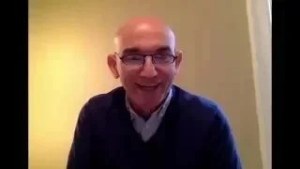 Masoud Khalkhali
مسعود خلخالی
▶
2
Masoud Khalkhali
مسعود خلخالی
▶
2
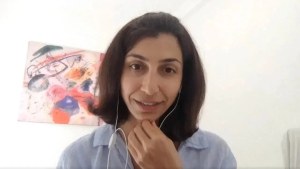 Mahya Ghandehari
مهیا قندهاری
▶
4
Jafar Newsha
جعفر نیوشا
▶
4
Mahya Ghandehari
مهیا قندهاری
▶
4
Jafar Newsha
جعفر نیوشا
▶
4
 JAFAR NIOUSHA
جعفر نیوشا
▶
5
JAFAR NIOUSHA
جعفر نیوشا
▶
5
 Siavash Shahshahani
سیاوش شهشهانی
▶
6
Siavash Shahshahani
سیاوش شهشهانی
▶
6
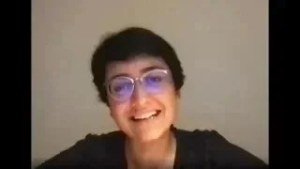 Mona Azadkia
مونا آزادکیا
▶
7
Mona Azadkia
مونا آزادکیا
▶
7
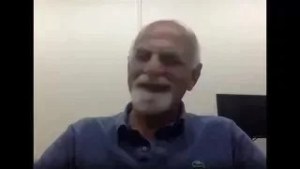 Siamak Yasemi
سیامک یاسمی
▶
8
Siamak Yasemi
سیامک یاسمی
▶
8
 Rahim Zaare Nahandi
رحیم زارع نهندی
▶
9
Rahim Zaare Nahandi
رحیم زارع نهندی
▶
9
 Ramin Takloo Bighash
رامین تکلو بیغش
▶
10
Ramin Takloo Bighash
رامین تکلو بیغش
▶
10
 Negar Soheili
نگار سهیلی
▶
11
Negar Soheili
نگار سهیلی
▶
11
 Ali Enayat
علی عنایت
▶
12
Ali Enayat
علی عنایت
▶
12
 Saeed Ghahramani
سعید قهرمانی
▶
Saeed Ghahramani
سعید قهرمانی
▶
Season Two فصل دوم
 Zahra Aminzare
زهرا امین زارع
▶
2
Zahra Aminzare
زهرا امین زارع
▶
2
 Freydoon Shahidi
فریدون شهیدی
▶
3
Freydoon Shahidi
فریدون شهیدی
▶
3
 Mina Dalirrooy Fard
مینا دلیرروی فرد
▶
4
Mina Dalirrooy Fard
مینا دلیرروی فرد
▶
4
 Artan Sheshmani
آرتان ششمانی
▶
5
Artan Sheshmani
آرتان ششمانی
▶
5
 Niloufar Farajzadeh Tehrani
نیلوفر فرج زاده طهرانی
▶
6
Niloufar Farajzadeh Tehrani
نیلوفر فرج زاده طهرانی
▶
6
 Bijan Zahouri Zanganeh
بیژن ظهوری زنگنه
▶
7
Bijan Zahouri Zanganeh
بیژن ظهوری زنگنه
▶
7
 Mahya Mehrabdollahi
محیا مهرعبداله ئی
▶
8
Mahya Mehrabdollahi
محیا مهرعبداله ئی
▶
8
 Siamak Noorboloochi
سیامک نوربلوچی
▶
9
Siamak Noorboloochi
سیامک نوربلوچی
▶
9
 Mozhdeh Banafsheh
مژده بنفشه
▶
10
Mozhdeh Banafsheh
مژده بنفشه
▶
10
 Mahsa Feiz Rahnemoon
مهسا فیض رهنمون
▶
11
Mahsa Feiz Rahnemoon
مهسا فیض رهنمون
▶
11
 Nasrin Altafi
نسرین الطافی
▶
12
CC
Nasrin Altafi
نسرین الطافی
▶
12
CC
 Chahrazad Shakiban
چهرزاد شکیبان
▶
Chahrazad Shakiban
چهرزاد شکیبان
▶
Season Three فصل سوم
 Yahya Tabesh
یحیی تابش
▶
2
Yahya Tabesh
یحیی تابش
▶
2
 Ahmad Haghani
احمد حقانی
▶
3
Ahmad Haghani
احمد حقانی
▶
3
 Abbas Edalat
عباس عدالت
▶
4
Abbas Edalat
عباس عدالت
▶
4
 Samaneh Nasiri
سمانه نصیری
▶
5
Ghodsieh Vakili
قدسیه وکیلی
▶
6
Shadi Tahvildarzadeh
شادی تحویلدار زاده
▶
7
Soheila Feizbakhsh
سهیلا فیض بخش
▶
8
Hamid Pezeshk
حمید پزشک
▶
9
Sepideh Mirrahimi
سپیده میررحیمی
▶
10
Heydar Radjavi
حیدر رجوی
▶
11
Narjes Afzali
نرجس افضلی
▶
12
Nahid Linda Banihashemi
ناهید لیندا بنی هاشمی
▶
Samaneh Nasiri
سمانه نصیری
▶
5
Ghodsieh Vakili
قدسیه وکیلی
▶
6
Shadi Tahvildarzadeh
شادی تحویلدار زاده
▶
7
Soheila Feizbakhsh
سهیلا فیض بخش
▶
8
Hamid Pezeshk
حمید پزشک
▶
9
Sepideh Mirrahimi
سپیده میررحیمی
▶
10
Heydar Radjavi
حیدر رجوی
▶
11
Narjes Afzali
نرجس افضلی
▶
12
Nahid Linda Banihashemi
ناهید لیندا بنی هاشمی
▶
Season Four فصل چهارم
Season Five فصل پنجم
 Vansha Roodbaraki
وانشا رودبارکی
▶
3
Shahriar Shahriari
شهریار شهریاری
▶
4
Mandana Ahmadi
ماندانا احمدی
▶
5
Ahmadreza Haj Saeedi Sadegh
احمد رضا حاج سعیدی صادق
▶
6
Somayeh Gholami
سمیه غلامی
▶
7
Freydoon Rezakhanloo
فریدون رضاخانلو
▶
8
Shooka Bandpey
شوکا بندپی
▶
9
Mojtaba Mojtahedi
مجتبی مجتهدی
▶
10
Farzaneh Derakhshan
فرزانه درخشان
▶
11
Yousef Sobouti
یوسف ثبوتی
▶
12
ZAHRA NARIMANI
زهرا نریمانی
▶
Vansha Roodbaraki
وانشا رودبارکی
▶
3
Shahriar Shahriari
شهریار شهریاری
▶
4
Mandana Ahmadi
ماندانا احمدی
▶
5
Ahmadreza Haj Saeedi Sadegh
احمد رضا حاج سعیدی صادق
▶
6
Somayeh Gholami
سمیه غلامی
▶
7
Freydoon Rezakhanloo
فریدون رضاخانلو
▶
8
Shooka Bandpey
شوکا بندپی
▶
9
Mojtaba Mojtahedi
مجتبی مجتهدی
▶
10
Farzaneh Derakhshan
فرزانه درخشان
▶
11
Yousef Sobouti
یوسف ثبوتی
▶
12
ZAHRA NARIMANI
زهرا نریمانی
▶





People and Mathematics is an oral-history-style project that initially started with the goal of portraying the mathematical lives of mathematicians and the history of mathematics departments from their perspective. The initial definition was:
Curious, honest, and candid conversations with those who have passed through mathematics departments
But very soon, the initial definition showed its limitations, because many mathematicians did not start from mathematics departments. For this reason, the project definition changed to:
Curious, honest, and candid conversations with people whose professional life is mathematics
But again very soon, the second definition also showed its limitations. Because many people in various fields use mathematics without considering themselves mathematicians. For this reason, the project definition changed to:
Curious, honest, and candid conversations with people whose professional life is intertwined with mathematics
But again very soon, the third definition also showed its limitations, because there are many people for whom mathematics has played a role in their life story, even though they may not be professionally dependent on its tools. For this reason, the project definition changed to:
Curious, honest, and candid conversations with people for whom mathematics has had a meaningful presence in their lives
آدم ها و ریاضیات پروژه ای است تاریخ شفاهی گونه که در ابتدا با این هدف شروع شد که زندگی ریاضی دانان و تاریخ دانشکده های ریاضی را از نگاه آنها به تصویر بکشد. تعریف اولیه پروژه اینچنین بود
گپ و گفتی کنجکاوانه، صادقانه و بی پرده با آنها که از دانشکدههای ریاضی گذر کرده اند
ولی خیلی زود، تعریف اولیه محدودیت خود را بروز داد چرا که بسیاری از ریاضیدانان هستند که از دانشکده های ریاضی شروع نکرده اند. به همین دلیل، تعریف پروژه به تعریف زیر تغییر کرد
گپ و گفتی کنجکاوانه، صادقانه و بیپرده با آدم هایی که ریاضیات زندگی حرفه ای آنهاست
ولی دوباره خیلی زود، تعریف دوم هم محدودیت خود را بروز داد. چرا که بسیاری از افراد در حوزه های مختلف از ریاضیات استفاده می کنند بدون اینکه خود را ریاضیدان محسوب کنند. به همین دلیل، تعریف پروژه به تعریف زیر تغییر کرد
گپ و گفتی کنجکاوانه، صادقانه و بیپرده با آدم هایی که زندگی حرفه ای آنها به ریاضیات گره خورده است
ولی دوباره خیلی زود، تعریف سوم هم محدودیت خود را بروز داد چرا که بسیاری از افراد هستند ریاضیات در داستان زندگی آنها نقش داشته است اگر چه شاید به طور حرفه ای به ابزار آن وابسته نباشند . به همین دلیل، تعریف پروژه به تعریف زیر تغییر کرد
گپ و گفتی کنجکاوانه، صادقانه و بیپرده با آدم هایی که ریاضیات در زندگی آنها حضوری معنی دار داشته است
تاریخ مفاهیم
Signed numbers and signed letters in algebra
.If you have ever wondered whether it is better to say “minus five” or “negative five,” then “Signed Numbers and Signed Letters in Algebra” is well worth reading
Equivalence: an attempt at a history of the idea
This paper proposes a reading of the history of equivalence in mathematics. The paper has two main parts. The first part focuses on a relatively short historical period when the notion of equivalence is about to be decontextualized, but yet, has no commonly agreed-upon name. The method for this part is rather straightforward: following the clues left by the others for the ‘first’ modern use of equivalence. The second part focuses on a relatively long historical period when equivalence is experienced in context. The method for this part is to strip the ideas from their set-theoretic formulations and methodically examine the variations in the ways equivalence appears in some prominent historical texts. The paper reveals several critical differences in the conceptions of equivalence at different points in history that are at variance with the standard account of the mathematical notion of equivalence encompassing the concepts of equivalence relation and equivalence class.